

Children do not need hours of outdoor play in winter, and the NHS has never said they do. If you have been feeling guilty about the dark afternoons, you can put that down. The real question, how much exercise do children need NHS guidance asks of us, has a much friendlier answer than the myth.
The NHS, drawing on the UK Chief Medical Officers’ physical activity guidelines, recommends that children and young people aged 5 to 18 do an average of at least 60 minutes of moderate to vigorous activity a day across the week. Under-fives have their own advice: children who can walk should be active for at least three hours a day, spread across the day, and that includes light activity like pottering and playing. Nothing in either set of guidance says it must happen outside, or in daylight.

What the NHS guidance actually says
The 60 minutes is an average, not a daily pass or fail. It also counts everything that gets the heart going and breath quicker: running around a playground, scooting to school, dancing in the kitchen, swimming, football, a game of tag. It does not have to be one block, either. Ten minutes here and twenty there add up exactly the same.
The guidance also recommends activities that strengthen muscles and bones, such as jumping, climbing and skipping, on at least three days a week. Again, a sofa-cushion obstacle course counts. The full wording is on the NHS page on physical activity guidelines for children and young people.
Why the "hours outdoors" myth sticks
I think it comes from two true things getting mashed together. Outdoor play is good for children, and the under-fives guideline is three hours, which sounds enormous. But those three hours include all the light movement of an ordinary day, like crawling, toddling, climbing stairs and dressing themselves. Add a warm-weather memory of long garden afternoons and you get a standard no winter can meet.
The objection I hear most is that fresh air and daylight matter, and they do. Time outside helps most children burn off energy and sleep better, and daylight is no bad thing in November. So aim for some outdoor time on most days. Just treat it as a bonus, not the only way to pass the test.
How can children stay active when it is dark by 4pm?
The simplest way is to move the outdoor time earlier and let the dark hours handle the rest indoors. In late November the sun sets in much of England shortly after 4pm, so the walk to school, break times and a weekend morning outing are your daylight windows. Use them.
- Walk or scoot part of the school run. Even parking ten minutes away gives you a brisk 20 minutes a day.
- Go out in the dark, safely. A torch walk or a bike light and hi-vis on the pavement turns a dull evening into an adventure. Stick to well-lit routes.
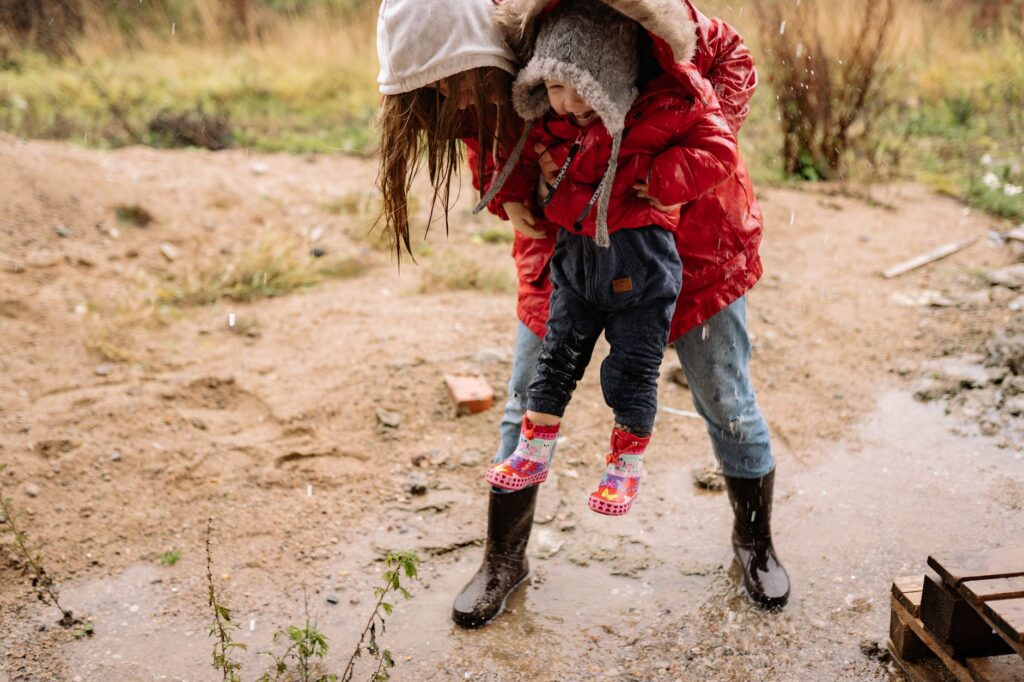
- Puddle time. Wet weather is not a barrier with the right kit, and our guide to waterproofs for kids covers what is worth buying.
Short indoor bursts that count
Indoors, think in five-minute chunks. A dance track while the tea cooks, a game of musical statues, or "the floor is lava" across the living room all raise the heart rate. Try animal walks down the hallway, a balloon-keepy-uppy challenge, or a timed relay up and down the stairs. Skipping ropes and hula hoops fit in a drawer and work on bones and muscles too.
A simple routine helps: ten minutes before school, twenty after, and a family game before bath. That is 30 minutes before you count the school day, where PE, playtimes and walking all contribute. Many children will reach 60 minutes without anyone noticing.
When a day out is worth it
Some weekends the weather wins, and a bigger indoor outing earns its place. Museums with room to roam, swimming pools and soft play all get children climbing, running and jumping for an hour or more. I covered the trade-offs in our piece on free museums versus soft play, and both can fit a wet Saturday.
A fair way to judge your week
Look at the week, not the day. If Monday was a sofa day, Wednesday’s football club and Saturday’s swim will balance it. Children who have a poor week are not harmed by it either; the guidance is a target for health, not a verdict on your parenting.
My advice for this weekend: pick one daylight outing before lunch, one silly indoor game after tea, and stop counting minutes. If your child is generally active, enjoys moving and sleeps well, you are very likely doing fine.



Leave a Reply