

The most common mistake parents make on a wet weekend is treating museums and soft play as the same sort of day out, then picking on price alone. They are very different things. One suits a child who needs to burn off energy, the other a child who needs to look, poke and ask questions. Choose the wrong one and you pay for it in meltdowns, whichever has the lower price tag. Here is how the two compare for rainy day activities UK families rely on, so you can match the day to the child.
Short version: soft play wins for toddlers and high-energy under-sevens, free museums win for curious four-to-eleven-year-olds and for anyone watching the budget. Plenty of families do both, one in the morning and one after lunch.
How much do free museums and soft play cost?
Many of the big national museums and galleries in the UK are free to enter, including the Natural History Museum, the Science Museum and the British Museum in London, plus National Museums Liverpool and many council-run local museums. Special exhibitions are usually ticketed, so check before you set off. Your real costs are travel, food and the gift shop.
Soft play is priced per child, and the amount varies by venue and by whether you go at a weekend or during school holidays. Many centres charge a few pounds for toddlers and more for older children, and some let accompanying adults in free or for a small fee. Check the venue’s own website for current prices, because holiday sessions often cost more than term-time ones.
Say you have two children and one adult. A free museum might cost you the price of a packed lunch and a bus fare. A soft play session for two plus a drink and snack can quickly become a noticeably bigger spend, especially if you add a party-style food package.
Queues and crowds: what to expect
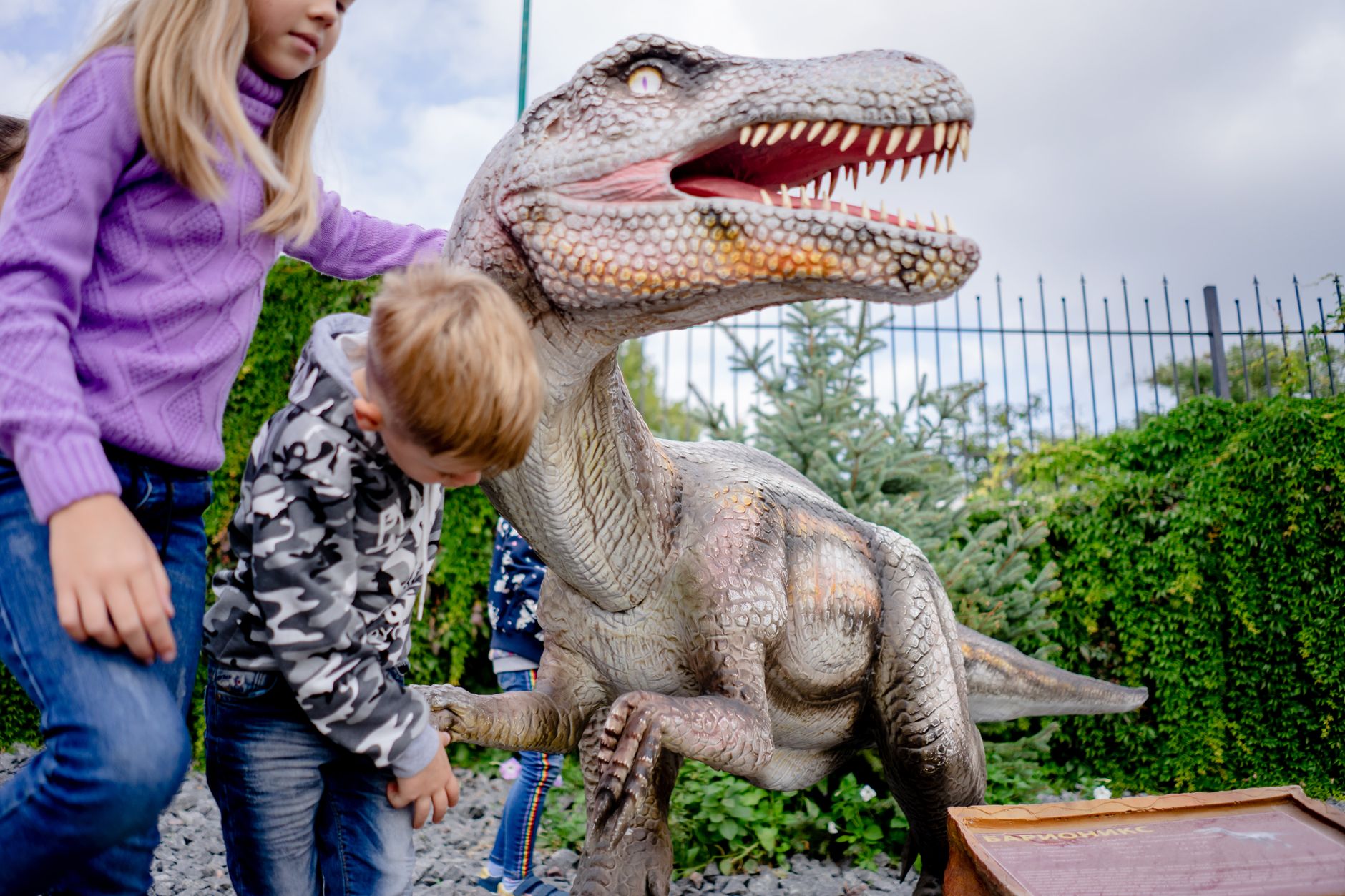
Queues at free museums are mostly for security bag checks and popular galleries. Arrive at opening time and the busiest rooms, such as dinosaurs or space, are much calmer than after lunch. Wet weekends and school holidays push crowds up everywhere.
Soft play queues work differently. Many centres run timed sessions or capacity limits, so the problem is not waiting at the door but arriving to find a session full. Booking ahead is the single most useful habit for soft play on a rainy Saturday. Walk-ins on a half-term weekend can be turned away.
Which is noisier, a museum or soft play?
Soft play is the noisier option by a wide margin. Large frames, slides and ball pits create constant, echoing noise, which can overwhelm some children, particularly those with sensory sensitivities. Many centres now run quieter or special-needs sessions, so ask the venue directly.
Museums are quieter overall, though big halls can echo and school groups add noise on weekdays. Hands-on galleries are lively by design. If your child finds noise hard, aim for smaller local museums or galleries at opening time, and take ear defenders as a backup either way.
Age suitability: who enjoys what
| Age | Better bet | Why |
|---|---|---|
| Under 2 | Soft play baby area | Safe crawling space, little to break |
| 2 to 4 | Soft play, or a small hands-on museum | Energy to burn, short attention span |
| 5 to 8 | Either | Enjoy trails, interactive exhibits and climbing |
| 9 to 12 | Museum or gallery | Soft play can feel too young, exhibits hold interest |
Soft play centres usually set height or age limits on their main frames, and many require adults to stay on site. Museums have no age limits, but long galleries without anything to touch lose small children quickly. Look for family trails, activity backpacks or drop-in craft tables, which many museums offer free.
How to pick for a wet half-term weekend
Think about your child’s mood first, then your budget. If they have been stuck indoors and are bouncing off the walls, soft play is worth the spend. If they are curious or you have a mixed age range, start at a free museum and keep soft play for a treat.
- Check opening times and whether tickets or timed entry apply.
- Book soft play sessions in advance for weekends and holidays.
- Pack snacks and a water bottle. Museum cafés and soft play kitchens both charge a premium.
- Arrive at opening time to dodge crowds.
- Bring spare socks, as soft play centres usually require them.
For local options, the Art Fund website lists museums and galleries across the UK, and your local council site will show free family sessions at libraries and community museums.
My own rule for a rainy weekend is simple: do the free thing first while everyone is fresh, then spend money only if the energy needs it. That way you get the most from the budget and a calmer afternoon.
Frequently Asked Questions
Are national museums in the UK really free?
Many national museums, including the Natural History Museum and Science Museum, are free to enter, though special exhibitions are usually charged. Some also ask for optional donations. Check the museum’s website for current details before you travel.
Do adults pay at soft play centres?
It depends on the venue. Some let accompanying adults in free, others charge a small fee, and a few charge more at weekends. Check the centre’s website or call ahead so there are no surprises at the door.
Should I book soft play in advance?
Yes, especially on wet weekends and during school holidays. Many centres use timed sessions with capacity limits, and walk-ins can be turned away. Booking online usually guarantees a place and avoids a wasted trip.


Leave a Reply